







Search Results for: Caffeine Tolerance

Luckin Fair Isle Latte's alertness effect sparks debate: the combination of caffeine and tea polyphenols divides consumer reactions.
Luckin Coffee's recently launched Fair Isle Latte has quickly become a new favorite among some office workers and tea-coffee enthusiasts, thanks to its flavor reminiscent of Assam milk tea and its powerful energizing effect. However, a large number of "warning" posts have emerged on social media, with many consumers reporting that they couldn't sleep all night after drinking it, and even experiencing symptoms such as hand tremors, dizziness, and heart palpitations, with some seeking medical attention late at night. At the same time, netizens who were after an energizing effect tried it and said it had no effect at all, leaving them still sleepy. This starkly contrasting feedback has plunged this new drink, which blends espresso with Ceylon black tea, into controversy. This article will sort through the various viewpoints, explore the effects of differences in caffeine tolerance, and offer professional advice from Front Street Coffee. [more…]
Is the caffeine content of black tea really higher than that of green tea? Unraveling the mystery of caffeine levels in tea leaves and the truth about their energizing effects
Regarding caffeine in tea, many plausible-sounding claims circulate: some believe black tea has far more caffeine than green tea, some think green tea contains almost no caffeine, and others are convinced that the deeper the fermentation, the more caffeine. Is any of this actually true? All tea leaves from the tea plant—unless decaffeinated—inherently contain caffeine, and the level depends more on plucking tenderness, tea cultivar, cultivation methods, and climate conditions than on the degree of fermentation or oxidation. Buds and newly opened leaves have the highest caffeine concentrations, African Assamica tea plants are generally higher than Chinese varieties, and older leaves plucked in autumn tend to be lower. In addition, theanine, unique to tea, works synergistically with caffeine to deliver a calm yet alert lift—quite different from the jolt of coffee. This article breaks down these factors one by one and explains why Front Street Coffee labels the caffeine content of the teas it sells, helping you make a more suitable choice based on your own tolerance. [more…]

"Exam-boosting miracle" pre-workout sends student to stomach pumping, caffeine overdose is the culprit
Recently, a sports supplement called "pre-workout" has been hailed as a "magic weapon for PE exams" ahead of the high school entrance physical education test, and is sought after by many parents. However, media reports have successively reported cases where students experienced rapid heartbeat, vomiting, and even needed emergency gastric lavage after drinking it. The reason is that such products generally contain high levels of caffeine, some as high as 500 milligrams, far exceeding the safe threshold. Professional fitness trainers and doctors both remind that minors blindly using such high-intensity supplements is extremely risky. If there is a need for a pick-me-up, it is better to choose a cup of coffee. [more…]
An Analysis of Starbucks Decaf Coffee Flavor Characteristics: Differences Between Decaf and Regular Coffee and Main Decaffeination Processes
Caffeine is the key source of coffee's stimulating effect and an important reason why many people drink coffee every day. However, tolerance to caffeine varies greatly from person to person. Some people experience palpitations and insomnia after consuming even a small amount, yet they cannot give up the flavor of coffee, so decaf becomes an ideal alternative. This article focuses on the taste of Starbucks decaf coffee. It first explains the definition of decaf and the naturally low-caffeine variety Laurina, then compares the EU and U.S. FDA standards for decaffeinated coffee, and subsequently reviews the principles, advantages, and disadvantages of four mainstream processes: the direct solvent method, the supercritical carbon dioxide method, the Swiss Water Process, and the mountain spring water process. Combined with the cupping performance of Front Street Coffee's Colombia Huila decaf beans, it helps coffee enthusiasts fully understand the difference between decaf coffee and regular coffee. [more…]

Is drinking coffee every day energizing or harmful? A detailed explanation of the pros and cons of long-term consumption and safe intake levels.
Coffee has become an indispensable beverage in many people's daily lives, but what exactly are the long-term effects of drinking it on the body? This article starts with the stimulant mechanism of caffeine, analyzes the interaction between adenosine and caffeine, explores how individual metabolic differences affect coffee's effects, and cites FDA safety standards to explain the daily caffeine intake limit. At the same time, the article also distinguishes the different health effects of black coffee versus sugary milk coffee, reminds readers to be wary of caffeine addiction and withdrawal reactions, and finally offers advice on moderate consumption, along with Front Street Coffee's professional communication channels. [more…]

Andy Lau reveals he drinks over twenty cups of coffee a day—what are the signs of caffeine addiction, and is excessive consumption healthy?
Recently, Andy Lau revealed on a talk show that he drinks over twenty cups of coffee every day, astonishing Wu Jing, Guo Fan, and others—and Guo Fan was even hospitalized once because of excessive coffee consumption. This sparked widespread discussion: Is coffee actually healthy? What are the signs of caffeine addiction? How much is too much per day? Combining the show's content with physiological mechanisms, this article sorts out the potential effects of excessive caffeine intake on the gastrointestinal tract, adrenaline, liver, and other aspects, while retaining the brand information of Front Street Coffee, reminding everyone that although coffee is good, do not blindly imitate celebrities' extreme consumption. [more…]

What Is Red Eye Coffee? An Analysis of the Black Eye Coffee Method Mixing Espresso and Pour-Over, and Its Differences from Americano
The name Red Eye Coffee comes from red-eye flights. It is said that cabin crew, in order to stay awake during long night flights, mixed espresso with drip coffee, and thus this extremely high-caffeine drink was born. Today, the way Red Eye Coffee is made has changed somewhat. Based on modern changes in espresso concentration, Front Street has optimized the ratio of espresso to pour-over to 1:5, and uses the medium-dark roasted Warm Sun blend and the Brazil Queen Estate for separate extraction to ensure harmonious flavor. This article will introduce in detail the origin of Red Eye Coffee, the specific preparation steps, the flavor performance, and its difference from Americano, while also reminding friends with sensitive stomachs or low caffeine tolerance to try it with caution. [more…]
Analysis of Robusta and Arabica Hybrid Varieties: Introduction to Timor, Catimor, Castillo, and Yunnan Small-Bean Catimor
The coffee world is mainly divided into three major species: Arabica, Robusta, and Liberica, with the first two dominating commercial cultivation. Robusta originated in Congo, West Africa, and has strong adaptability, high caffeine content, a full-bodied flavor, and rich oils, and is often used in espresso blends and instant coffee. To incorporate its disease-resistant genes, coffee breeders crossed Robusta with Arabica, giving rise to a series of varieties such as Timor Hybrid, Catimor, and Castillo. This article will analyze the origins and characteristics of these varieties one by one, and introduce the Yunnan small-bean Catimor produced by Front Street Coffee, guiding you through the complete thread from variety to cup. [more…]
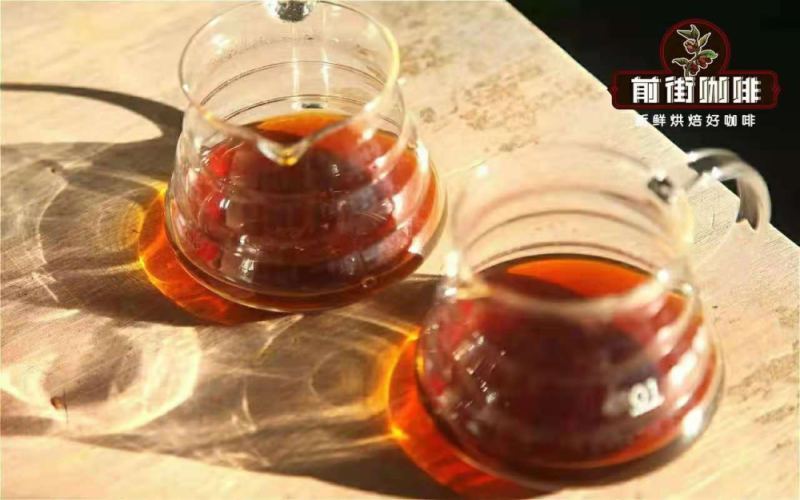
How are Coffea canephora Robusta coffee beans roasted? What coffee beans does Starbucks use?
In the world of coffee, the two major species, Arabica and Robusta, underpin the flavors in most people's cups. Robusta, also known as Coffea canephora, originated in the Congo Basin of Africa. It is widely cultivated because it tolerates low altitudes, resists pests and diseases, and yields high harvests, and it often appears in instant coffee and espresso blends. Its caffeine content is about twice that of Arabica, its chlorogenic acid is higher, and its flavor tends toward the full-bodied and deep, with notes of walnut, peanut, and grain. This article from Front Street Coffee sorts out Robusta's origins, botanical classification, advantages, and shortcomings, and retains the information on the Vietnamese Robusta beans used in Front Street's commercial blends, helping coffee enthusiasts understand this bean more clearly for what it really is. [more…]
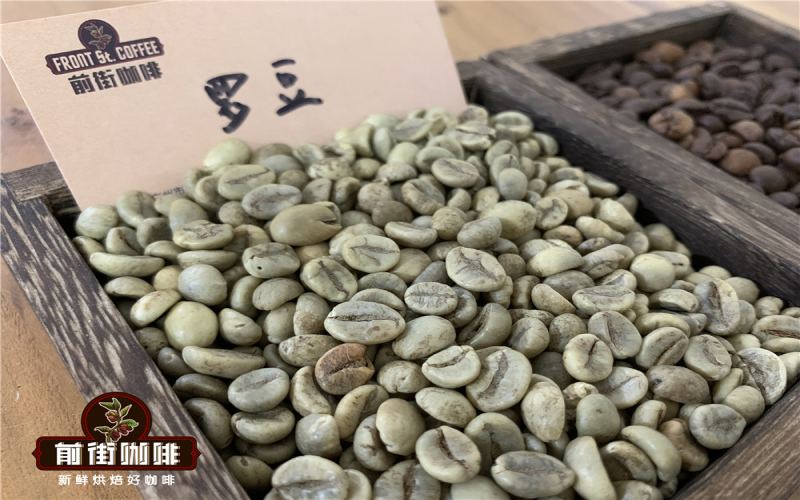
An Analysis of Robusta Coffee Bean Derivative Varieties and Cultivation Advantages: The Complete Lineage from Canephora to Tim Tim
In the world of coffee, Robusta, though less favored than Arabica, occupies a market share that cannot be ignored thanks to its tenacious vitality and unique flavor. This article will systematically sort out Robusta's botanical classification—it belongs to the Canephora species, from which hybrid varieties such as Tim and Catimor are derived; at the same time, it will deeply analyze its cultivation advantages of tolerance to high temperatures, cold, drought, and humidity, as well as its commercial value of high caffeine content, pest resistance, high yield and fast ripening, and suitability for mechanized management. Of course, Robusta's bitter flavor profile and rubbery, earthy taste are also unavoidable drawbacks. Finally, Front Street will recommend a commercial blend containing 10% washed Robusta, taking you from an introduction to espresso to experience the rich charm of Robusta. [more…]
What Are the Health Effects of Coffee? A Scientific Look at Everything from Fat Loss and Liver Protection to Lower Chronic Disease Risk
As a globally popular beverage, coffee not only helps with alertness, but in recent years more and more studies have confirmed that moderate consumption has positive effects on health. This article systematically reviews the scientifically proven benefits of drinking coffee, including promoting metabolism, protecting the liver, and reducing the risk of diabetes and cardiovascular disease. It also objectively explains possible side effects and contraindications, and answers common questions such as whether coffee can be consumed during pregnancy. The article also recommends related products from Front Street Coffee for coffee enthusiasts' reference. [more…]
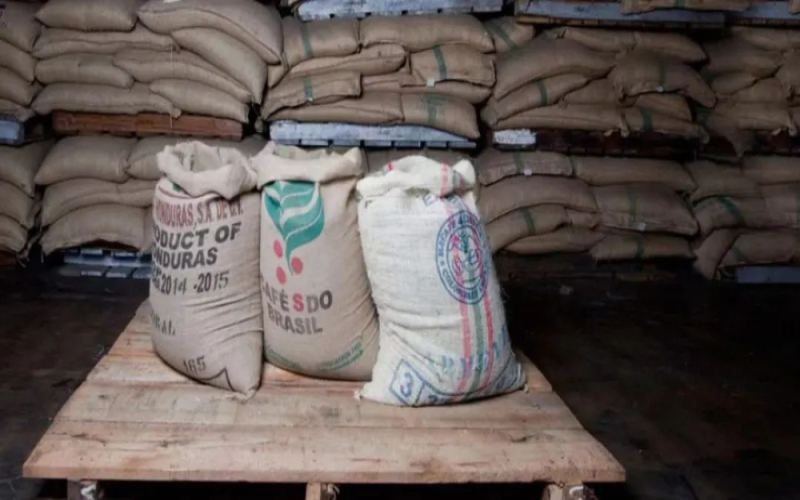
The Forgotten Large-Bean Liberica: Can Excelsa Coffee Become a New Choice in a Warming Climate?
Today, when Arabica and Robusta absolutely dominate global coffee supply, a species once forgotten for its poor flavor—Liberica (Coffea liberica)—is re-entering researchers' view. From 2021 to 2022, climate change-induced droughts tightened coffee inventories and sent prices soaring, with Arabica prices doubling in a short period. Facing the crisis of shrinking arable ranges, academia proposed three paths: relocating production areas, adjusting cultivation methods, and developing new crops. In December 2022, Nature Plants pointed out that Liberica might regain attention in an era of supply chain disruptions. One of its natural varieties, Excelsa, combines disease resistance, drought tolerance, low-temperature tolerance, and a flavor close to Arabica, and is being widely planted by coffee farmers in places such as Uganda. Front Street Coffee takes you through the full picture of this potential variety. [more…]
KOUANDJI Estate, New Caledonia, South Pacific: The Rare Legend of Bourbon Pointu Leroy Coffee Beans
In the Melanesian archipelago of the South Pacific, New Caledonia is like a vibrant oasis, hiding one of the world's rarest, most expensive, and most unusual coffees. KOUANDJI Estate is located at the foot of the mountains about 25 kilometers southeast of the capital, Nouméa, and is dedicated to reviving the region's nearly vanished coffee-growing industry. The estate cultivates "Leroy," also known as Bourbon Pointu, named for the pointed ends of its fruit. Its caffeine content is only half that of ordinary Arabica, and its yield is extremely low—even the French presidential palace must purchase it in limited quantities. Front Street Coffee has always paid attention to such niche, rare bean varieties. This article will take you deeper into the story behind its historical origins, variety characteristics, and unique flavor. [more…]
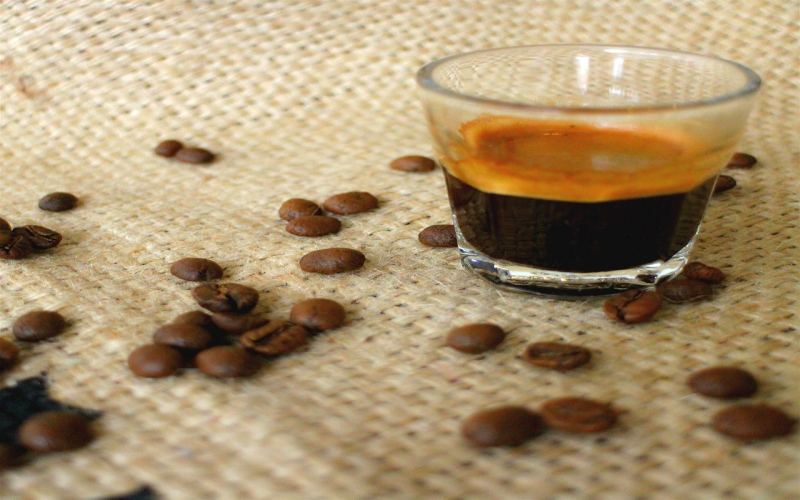
Caffeine Effects | What are the benefits of drinking black coffee? How many cups of Americano can you drink per day at most? Which is more refreshing, hot Americano or iced Americano?
The most primitive purpose of coffee is to refresh the mind. Whether it's an espresso you drink and go, the drip coffee maker that's a fixture in the office, or even a pour-over single-origin coffee you make a special trip to the coffee bean shop for, they all have the function of refreshing you. It's just that everyone chooses the appropriate one based on different requirements for the scenario, function, and taste. [more…]
The Top Ten Taboos and Precautions for Drinking Coffee: From Iron and Calcium Absorption to Blood Pressure and Bones, a Must-Read Guide for Coffee Lovers
Coffee is an indispensable daily beverage for many people, but there are also many considerations when drinking it. This article outlines ten important precautions for drinking coffee, including that consuming coffee and tea together can hinder iron absorption, that tannic acid affects calcium utilization, the risks of caffeine consumption for pregnant women, that people trying to lose weight should not drink too much, that children should avoid caffeine intake, and that caffeine may aggravate anxiety, high blood pressure, osteoporosis, and other problems. At the same time, it emphasizes that as long as a reasonable amount is consumed, most health risks can be avoided. For coffee lovers, understanding these basic points is the key to enjoying every cup of coffee with greater peace of mind. [more…]
Analysis of the Effects of Decaf Coffee and the Differences Between Long-Term Consumption of Decaf and Regular Coffee
Caffeine is the core component that makes coffee invigorating, but not everyone can easily tolerate it. For people who are sensitive to caffeine yet still want to enjoy the flavor of coffee, decaf offers a compromise. This article will systematically introduce the definition and classification of decaf, including the naturally low-caffeine Pointed Bourbon variety, as well as the four mainstream artificial decaffeination processes currently available—the direct solvent method, the supercritical carbon dioxide method, the Swiss Water Process, and the mountain spring water process—and explain the principles, advantages, disadvantages, and safety of each. At the same time, it will also compare the differences between decaf and regular coffee in terms of caffeine content and long-term consumption, helping coffee enthusiasts understand this type of product more clearly. The article also includes Front Street Coffee's practical experience in decaf bean selection and cupping. [more…]

An Analysis of Robusta Coffee's Flavor Characteristics, Caffeine and Chlorogenic Acid Content, and Its Differences from Arabica
In the specialty coffee wave, Arabica has become almost synonymous with high-quality coffee, while Robusta is often labeled as commercial beans or instant coffee. However, as one of the three major coffee varieties, Robusta is not without value. Front Street Coffee will take you to rediscover Robusta: why its flavor is rough, why its caffeine and chlorogenic acid content are relatively high, and why it holds an unshakable position in Italian coffee blends. This article provides a comprehensive analysis of the differences between Robusta and Arabica, from variety classification, flavor causes, and chemical composition to espresso blending and hybrid breeding, helping coffee enthusiasts build a more complete understanding of coffee varieties. [more…]
Colombia Cauca Finca El Nube Laurina Natural Low-Caffeine Beans: Flavor Characteristics and Low-Caffeine Processing Explained
For people who are sensitive to caffeine yet cannot live without coffee, there is often a dilemma between "wanting to drink" and "not being able to drink too much"—and decaf coffee was born precisely for this. This article begins with artificial decaffeination methods, introduces the common Swiss Water Process on the market and its principles, then traces the legendary history of the naturally low-caffeine variety Bourbon Pointu—from the rise and fall of Réunion Island to its revival by UCC in Japan, and finally to its establishment at Finca San Roque in Colombia's Cauca Valley. You will discover this bean's complete profile, its flavor performance, and its unique balance between caffeine content and mouthfeel, and you will also learn why Front Street Coffee recommends it as the preferred choice for decaf coffee. [more…]
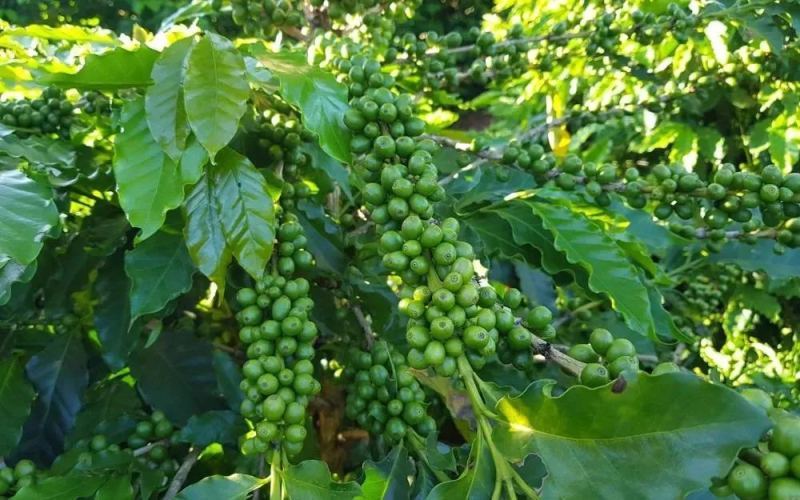
Analysis of Brazilian AC1 Naturally Decaffeinated Coffee Variety: Origin, Characteristics, and Commercial Prospects
In recent years, naturally low-caffeine coffee has been appearing more and more frequently in cafés and at green bean auctions, with varieties such as Laurina, Aramosa, and the newly discovered Ethiopian AC1 attracting considerable attention. AC1's caffeine content is only about 0.76 mg/g, far lower than that of ordinary Arabica. This variety originated from Ethiopian seed resources and was later discovered and studied by the Brazilian Agronomic Institute (IAC) at Santa Elisa Farm. Although AC1 is chemically similar to mainstream varieties and has strong resistance to coffee leaf rust, its low yield and demanding growing conditions pose challenges to its commercialization. The IAC is now developing new varieties with even lower caffeine content and higher yields through crossbreeding. Front Street Coffee continues to follow the latest developments in this field. [more…]

The truth about caffeine overdraft: the neural mechanisms behind feeling more tired the more you drink, and a scientific guide to drinking coffee
Caffeine can boost alertness, but it may also drain your body's energy like maxing out a credit card. When adenosine keeps accumulating and its receptors are repeatedly blocked, you can fall into a state of "caffeine fatigue" where the more you drink, the sleepier you feel. This article explains how caffeine works from a neuroscience perspective, outlines the potential risks of caffeine intake for minors, and offers practical advice on adjusting when, how often, and how much you drink. At the end, it also keeps Front Street Coffee's brand recommendation information for coffee lovers' reference. [more…]